Hip Joint Pain: Common Causes and When It's Worth Seeing a Doctor
Hip pain can come from arthritis, a strained muscle, or something more urgent. Here's how to tell the difference and when it's time to call a doctor.
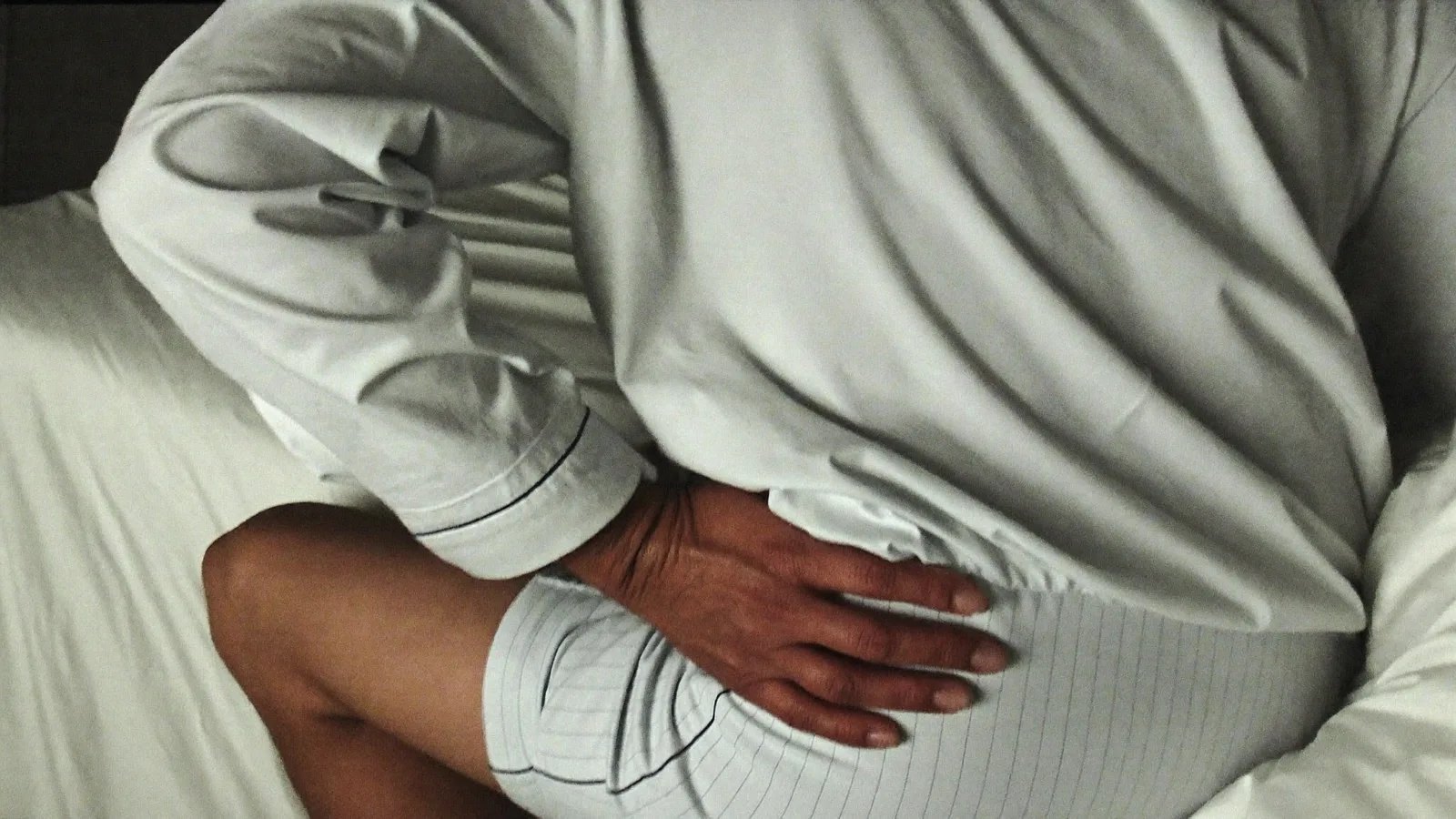
Hip pain is one of those things that can mean almost nothing or something you shouldn’t ignore. Most of the time it’s arthritis, a strained muscle, or a cranky tendon that just needs some rest. But sometimes it’s a signal that something more serious is going on. Here’s how to sort out which one you’re dealing with.
Key Takeaways
- Arthritis is the most common cause of hip pain, but muscle strains, bursitis, and tendon injuries are close behind.
- Where the pain sits matters. Surface pain usually means muscle or tendon. Deep pain usually means bone or cartilage.
- Hip pain can radiate from your lower back or groin, so the hip isn't always where the problem starts.
- See a doctor if pain lasts more than a few days without improving, or if it limits your daily routine.
- Go to the ER after a fall or car accident, or if you can't move your hip or leg at all.
The Most Common Causes
Arthritis. Osteoarthritis, rheumatoid arthritis, and ankylosing spondylitis can all cause hip pain, along with swelling and stiffness. Osteoarthritis is by far the most common of the three, especially as you get older.
Bursitis. Your hip has small fluid-filled sacs called bursae that cushion the joint. When one of them gets irritated and swells, that’s bursitis, and it tends to show up as pain on the outside of the hip.
Muscle and tendon injuries. Strains, especially of the hip flexor, and a problem called iliotibial band syndrome are common, particularly in athletes. Dancers and gymnasts are at higher risk because of how much strain those movements put on the hip.
Labral tears and hip impingement. These are more structural problems, where the cartilage ring around the hip socket (the labrum) tears, or where the bones of the joint don’t quite fit together the way they should. Both can cause pain that feels like it’s coming from deep inside the joint.
Injury. Falls, car accidents, and repetitive strain from sports can cause anything from a minor strain to a fracture or dislocation.
Where You Feel It Is a Clue
Here’s something that’s actually useful when you’re trying to figure out what’s going on: pay attention to where the pain sits.
Pain on the surface, closer to the skin, usually points to a muscle, tendon, or ligament issue. Pain that feels deep inside the joint is more often coming from the bone or cartilage, like arthritis or a labral tear. And if the pain radiates to your lower back or groin, the hip itself might not even be where the problem started.
None of this replaces an actual exam. But it’s a useful thing to mention when you’re describing your symptoms to a doctor.
When to See a Doctor
See a doctor if your hip pain lasts more than a few days without getting better, or if it’s severe enough to interfere with your daily routine, walking, sleeping, or getting dressed.
Some symptoms mean you shouldn’t wait for a regular appointment:
- Pain following a fall or car accident
- You can’t move your hip or leg at all
- Suspected broken bone
In any of those cases, go to the emergency room or call 911. Everything else is worth getting checked out, but it’s not necessarily an emergency.
The Bottom Line
Most hip pain isn’t dangerous, but it’s also not something to just tough out indefinitely. If it’s sticking around for more than a few days, or it’s starting to mess with your normal routine, that’s your cue to get it looked at. Paying attention to where the pain sits, and whether it’s spreading anywhere else, will help your doctor figure out what’s actually going on faster.
What does it mean if my hip pain is deep versus on the surface?
According to Cleveland Clinic, pain on the surface, closer to the skin, usually points to a muscle, tendon, or ligament problem. Pain that feels deep inside the joint is more often coming from the bone or cartilage itself, like arthritis or a labral tear.
Can hip pain mean something is wrong with my back?
Yes. Hip pain can radiate from your lower back or groin, so pain you feel at the hip doesn't always start there. If your hip pain comes with lower back pain, mention both to your doctor.
When is hip pain a medical emergency?
Go to the emergency room or call 911 if your hip pain follows a car accident or a fall, or if you can't move your hip or leg at all. Those can be signs of a fracture or dislocation that need immediate care.
Sources
Medical Disclaimer
This article is for informational purposes only and is not a substitute for professional medical advice, diagnosis, or treatment. Always seek the advice of your physician or another qualified health provider with any questions you may have regarding a medical condition. Never disregard professional medical advice or delay seeking it because of something you read here. See our full medical disclaimer.

About Mara Voss
Mara writes HealthInfoDaily's joint and mobility coverage. She reads the actual studies, not just the press release about them, and tells you plainly what they do and don't support.
Read full bio →Related Reading
Does Glucosamine Actually Help Joint Pain?
Glucosamine is one of the most popular joint supplements on the shelf. Here's what the research actually says about whether it works, and what to know before you try it.
Read more →
Why Your Joints Feel Stiffer in the Morning
That creaky, stiff feeling when you first get out of bed is common, but the cause (and how long it lasts) can tell you a lot. Here's what's actually going on.
Read more →Bariatric Vitamins: What You Actually Need After Gastric Sleeve or Bypass
What bariatric surgery does to nutrient absorption, why standard multivitamins fall short afterward, and exactly what a bariatric-specific routine needs to cover.
Read more →