Do Probiotics Actually Work?
Probiotics are everywhere, from yogurt to $40 supplements. Here's what the research actually supports, and where the evidence runs out.
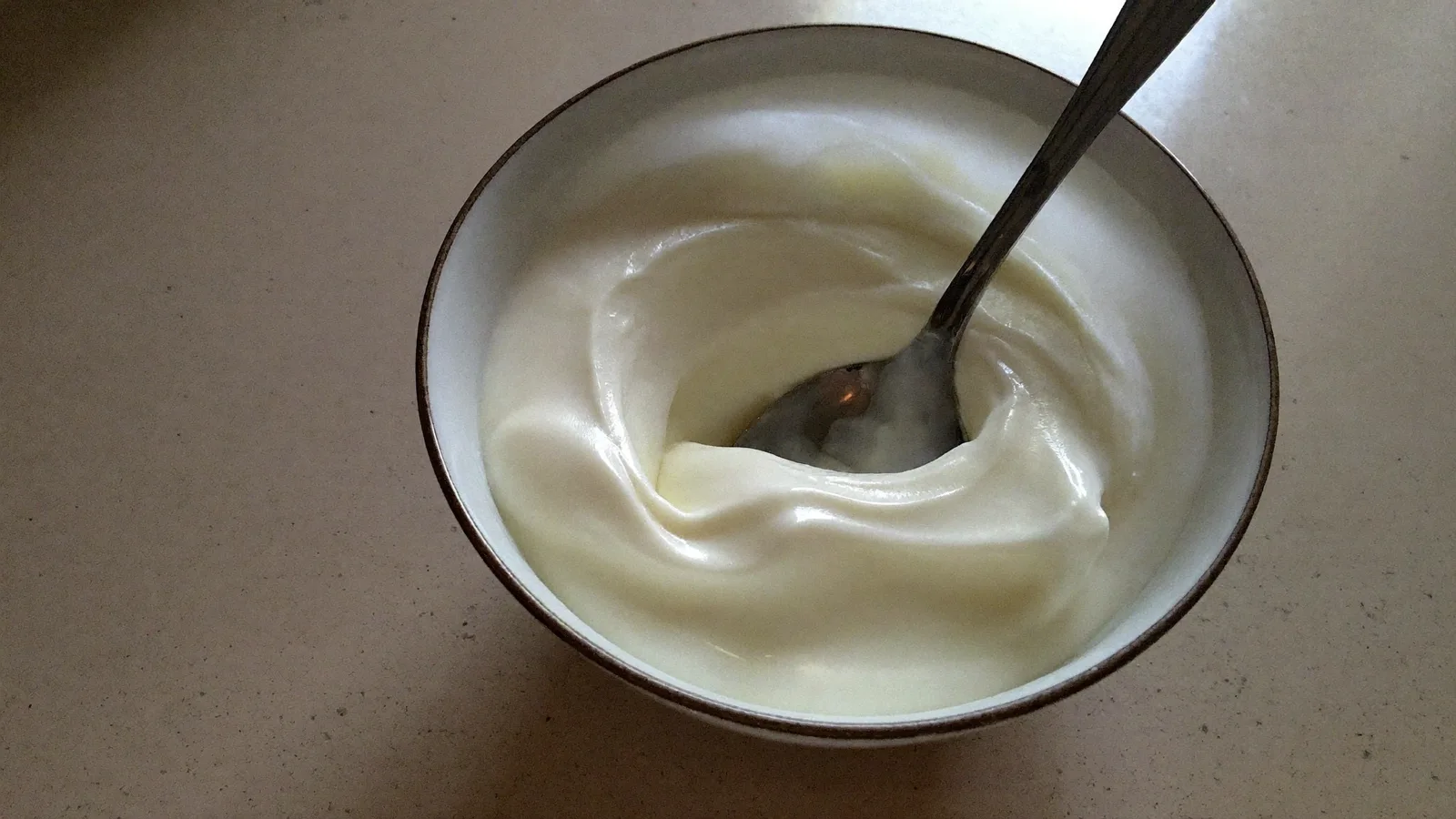
Probiotics show up in yogurt commercials, gut health supplements, and every wellness influencer’s morning routine. The honest answer to “do they work” is: sometimes, for some things, if you’re taking the right strain. That’s a less satisfying answer than a straight yes, but it’s the accurate one.
Key Takeaways
- Effectiveness depends heavily on the specific strain, not just "probiotics" as a general category.
- The best evidence supports probiotics for antibiotic-associated diarrhea, preventing C. difficile infection, and a specific strain for infant colic.
- Most probiotics are sold as supplements, which don't require FDA approval before hitting shelves.
- They appear safe for most healthy adults, but the FDA warned in 2023 about severe infections in premature infants given probiotics.
The Strain Problem
Here’s the thing marketing tends to leave out. “Probiotics” isn’t one thing. It’s a category that covers dozens of different bacterial strains. They don’t all do the same job.
The NIH’s National Center for Complementary and Integrative Health puts it plainly. If one specific kind of Lactobacillus helps prevent an illness, that doesn’t mean another kind of Lactobacillus will do the same thing. It definitely doesn’t mean a different genus, like Bifidobacterium, will do it either. It’s a bit like assuming all antibiotics treat the same infection just because they’re all called antibiotics.
This is why “do probiotics work” doesn’t really have a single answer. The better question is “does this specific strain help with this specific thing.” That’s a narrower question. It’s also a much more answerable one.
Where the Evidence Is Actually Strong
A few areas have real evidence behind them:
- Antibiotic-associated diarrhea: There’s moderate evidence that certain probiotics help, particularly in people who aren’t hospitalized.
- Preventing C. difficile infection: Evidence here is moderately certain for benefit.
- Infant colic: A specific strain, Lactobacillus reuteri, has shown success specifically in breastfed infants.
- Periodontal disease: Probiotics have shown some benefit as an addition to standard treatment.
- Maintaining remission in ulcerative colitis: Some evidence supports use here as well.
Outside of these, the evidence gets thinner fast, especially for the vague “gut health” and “immune support” claims you’ll see on most probiotic packaging.
They’re Not Regulated Like Medications
This part surprises people. Most probiotics are sold as dietary supplements. That means they don’t need FDA approval before they’re sold. A product that wants to make actual drug-level claims has to go through clinical trials and get approved. But most probiotic supplements on store shelves never go through that process. That doesn’t automatically make them bad. It just means the label’s claims haven’t necessarily been independently checked the way a prescription drug’s have.
A Real Safety Note
For most healthy adults, probiotics appear to be safe. But “appears safe” isn’t the same as “proven safe.” NCCIH points out that few studies have actually looked closely at safety in detail. There’s also a specific, serious exception worth knowing. The FDA issued a warning in 2023 after cases of severe, and in some cases fatal, infections were reported in premature infants who were given probiotics. If that applies to your situation, this is a conversation for a doctor, not a decision to make off a supplement label.
The Bottom Line
If you’re taking a probiotic for a specific, well-studied reason, like recovering from a course of antibiotics, there’s real evidence backing that up. If you’re taking a general probiotic and hoping it fixes vague “gut health,” the evidence is a lot shakier. The specific strain in your bottle matters more than the word “probiotic” on the label.
Are all probiotics basically the same?
No, and this is the most important thing to understand. The NIH's NCCIH explains that if one specific strain of Lactobacillus helps with a condition, that doesn't mean another Lactobacillus strain, or a Bifidobacterium strain, will do the same thing. Effectiveness is strain-specific, not a blanket "probiotics" category.
Are probiotics regulated like medications?
Not usually. According to NCCIH, most probiotics are sold as dietary supplements, which don't require FDA approval before they hit the market. Products that make drug-level claims have to go through actual clinical trials and FDA approval, but most probiotic supplements aren't held to that bar.
Are probiotics safe for everyone?
Not for everyone. The FDA issued a warning in 2023 after cases of severe, and in some instances fatal, infections were reported in premature infants given probiotics. For most healthy adults, they appear to be safe, but NCCIH notes that few studies have actually looked closely at safety, so "probably fine" and "proven safe" aren't the same thing.
Sources
Medical Disclaimer
This article is for informational purposes only and is not a substitute for professional medical advice, diagnosis, or treatment. Always seek the advice of your physician or another qualified health provider with any questions you may have regarding a medical condition. Never disregard professional medical advice or delay seeking it because of something you read here. See our full medical disclaimer.

About Jasmin Cole
Jasmin writes HealthInfoDaily's gut health coverage. Her own digestive issues sent her down a research rabbit hole a few years back, and she's been translating the science into plain English ever since.
Read full bio →Related Reading

Prebiotics vs. Probiotics: What's Actually the Difference
They get lumped together constantly, but prebiotics and probiotics do completely different jobs. Here's the actual difference, in plain terms.
Read more →
Low Stomach Acid: Signs and What It Means
Too little stomach acid causes a surprisingly wide range of symptoms, from bloating to brittle nails. Here's what to look for and what actually helps.
Read more →Bariatric Vitamins: What You Actually Need After Gastric Sleeve or Bypass
What bariatric surgery does to nutrient absorption, why standard multivitamins fall short afterward, and exactly what a bariatric-specific routine needs to cover.
Read more →