Prebiotics vs. Probiotics: What's Actually the Difference
They get lumped together constantly, but prebiotics and probiotics do completely different jobs. Here's the actual difference, in plain terms.
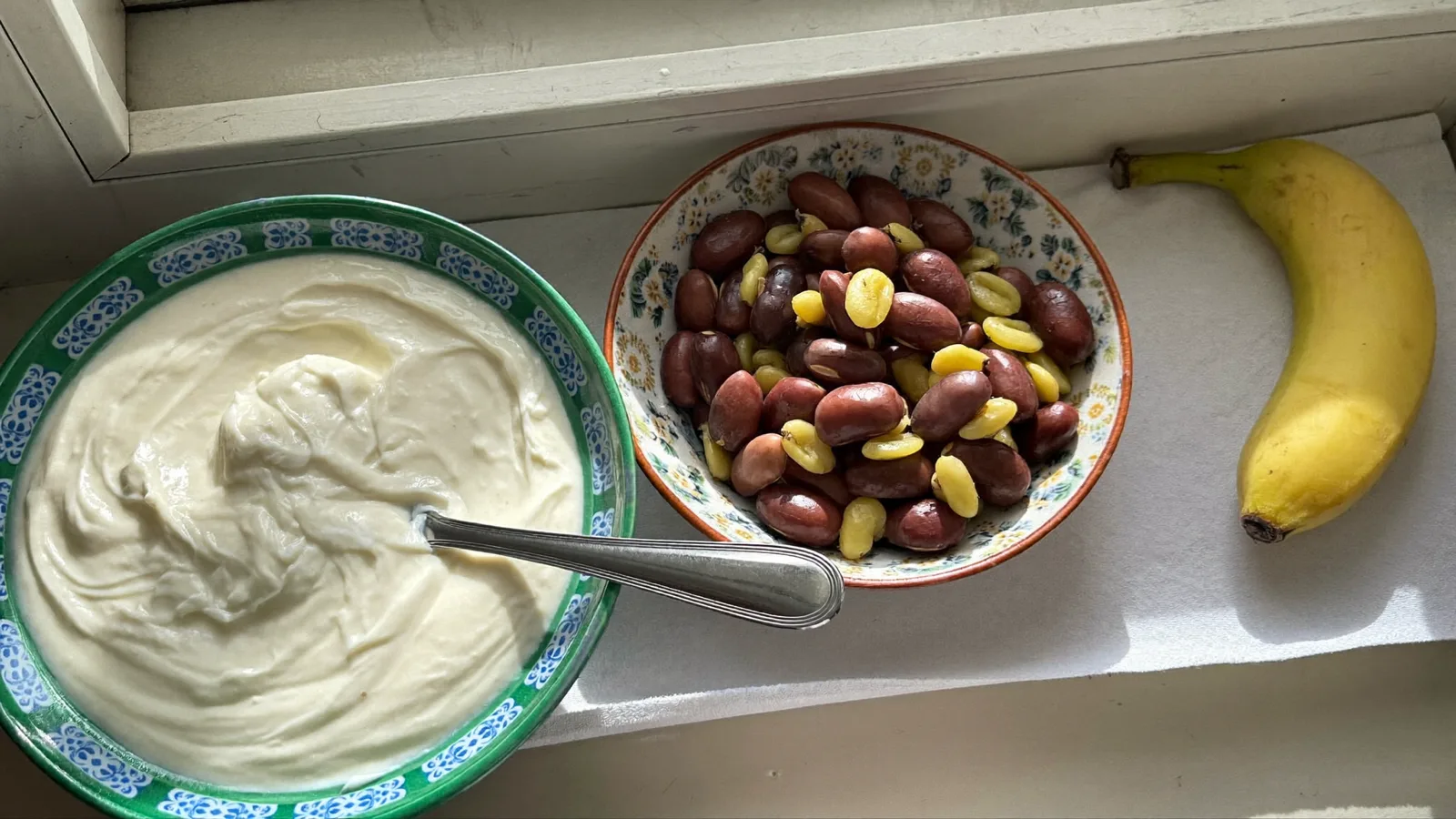
Prebiotics and probiotics get thrown around like they’re interchangeable, and the “pre” and “pro” don’t help. They’re actually doing two completely different jobs, and once you know which is which, the whole category makes a lot more sense.
Key Takeaways
- Probiotics are live bacteria that benefit your body directly. Prebiotics are fiber your body can't digest, but your gut bacteria can.
- A simple way to remember it: probiotics are the seeds, prebiotics are the fertilizer that helps them grow.
- Probiotics come from fermented foods like yogurt, kombucha, and sauerkraut. Prebiotics come from fiber-rich foods like beans, less-ripe bananas, and cooled potatoes.
- If you're generally healthy and eating a varied diet, you likely don't need to supplement either one.
Probiotics: The Live Bacteria
Probiotics are live bacteria and yeasts that have a good effect on your body. According to Cleveland Clinic, they help break down food. They also talk to your immune system and help keep inflammation in check. These are the actual living organisms people mean when they talk about “gut bacteria.”
You get probiotics from fermented foods. Think yogurt made with live Lactobacillus or Bifidobacterium cultures, kombucha, tempeh, and sauerkraut.
Prebiotics: The Food for the Bacteria
Prebiotics are a type of carbohydrate that your body can’t digest on its own. Instead, they pass through to your gut. There, they act as food for the good bacteria already living there.
You’ll find prebiotics in fiber-rich foods. Fruits, vegetables, and whole grains in general. Plus some specific standouts: boiled and cooled potatoes, green (less ripe) bananas, Jerusalem artichokes, and legumes like beans and peas.
The Easiest Way to Remember It
Cleveland Clinic uses a garden analogy that’s genuinely useful. Probiotics are the seeds you plant in your gut. Prebiotics are the fertilizer that helps those seeds grow. You can have great seeds, but without anything to feed them, they won’t thrive. That’s basically what happens when you get probiotics without enough fiber in your diet to back them up.
Do You Actually Need to Supplement Either?
Probably not, if you’re generally healthy. Cleveland Clinic notes that for most people, getting both through food is enough, and supplementing isn’t necessary. If you do want a supplement that covers both at once, some products pair a probiotic capsule with a prebiotic like inulin, so you’re feeding the bacteria you’re adding.
The Bottom Line
Probiotics are living bacteria. Prebiotics are the fiber that feeds them. You need both working together for either one to do much good, but for most healthy people, a varied diet with some fermented foods and plenty of fiber covers it without needing a supplement aisle at all.
Do I need to take both prebiotics and probiotics?
Not necessarily. Cleveland Clinic notes that in a generally healthy person, getting prebiotics and probiotics through food is usually enough, and supplementing isn't required. If you do want both in supplement form, some products combine a probiotic capsule with a prebiotic like inulin.
What foods have probiotics?
Fermented foods are the main source: yogurt with live Lactobacillus or Bifidobacterium cultures, kombucha, tempeh, and sauerkraut, according to Cleveland Clinic.
What foods have prebiotics?
Fiber-rich foods, including most fruits, vegetables, and whole grains. Cleveland Clinic specifically calls out boiled and cooled potatoes, green (less ripe) bananas, Jerusalem artichokes, and legumes like beans and peas.
Sources
Medical Disclaimer
This article is for informational purposes only and is not a substitute for professional medical advice, diagnosis, or treatment. Always seek the advice of your physician or another qualified health provider with any questions you may have regarding a medical condition. Never disregard professional medical advice or delay seeking it because of something you read here. See our full medical disclaimer.

About Jasmin Cole
Jasmin writes HealthInfoDaily's gut health coverage. Her own digestive issues sent her down a research rabbit hole a few years back, and she's been translating the science into plain English ever since.
Read full bio →Related Reading
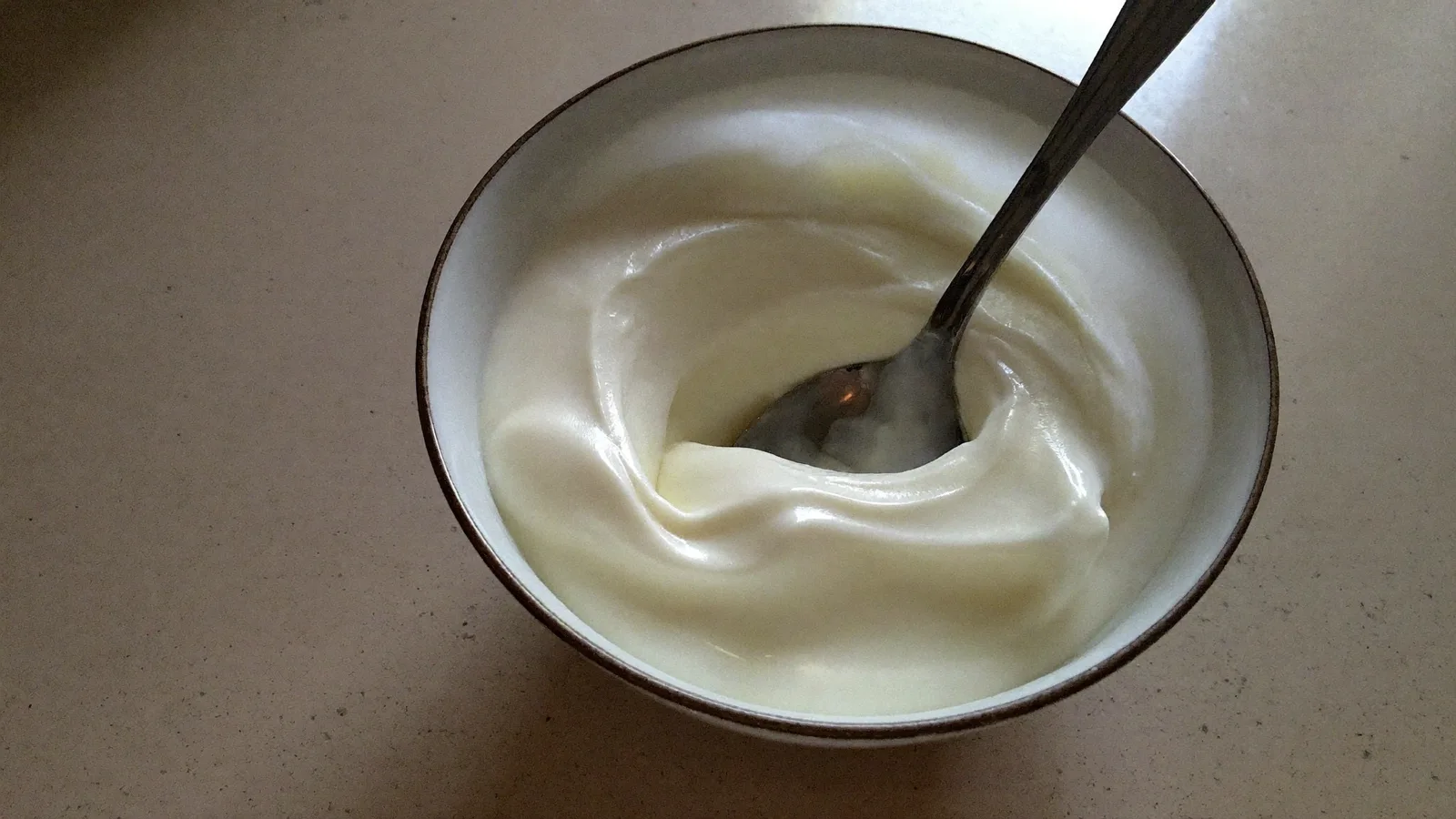
Do Probiotics Actually Work?
Probiotics are everywhere, from yogurt to $40 supplements. Here's what the research actually supports, and where the evidence runs out.
Read more →
Low Stomach Acid: Signs and What It Means
Too little stomach acid causes a surprisingly wide range of symptoms, from bloating to brittle nails. Here's what to look for and what actually helps.
Read more →Bariatric Vitamins: What You Actually Need After Gastric Sleeve or Bypass
What bariatric surgery does to nutrient absorption, why standard multivitamins fall short afterward, and exactly what a bariatric-specific routine needs to cover.
Read more →